
"Madagascar coffee production"
400 article(s) found

Boutique Coffee the main coffee producing areas in the world
JAVA Market name: Blawan, Jampit. KENYA: Kiambu, Thika, Ruiru, Meru, Embu, Kisii. Market name: Kenyas, Nairobi. Madagascar (MADAGASCAR) producing areas: North West, Central East, South East. Market name: Madagascarian. Mexico (MEXIC
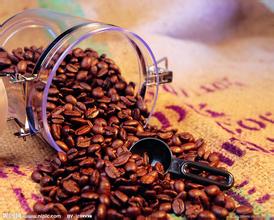
Introduction to the origin of coffee beans in Madagascar
There are more than 6000 species of coffee trees, most of which are tropical trees and shrubs. There are four main coffee trees in the world, of which only two are of real commercial value and are planted in large quantities, and the quality of the coffee beans produced by other coffee trees is also higher than that of other coffee trees. The first is Arabica beans, which account for 70% of the world's output, the world-famous Blue Mountain.
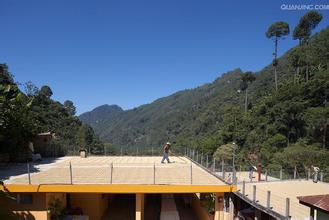
Malagasy coffee, the specialty of Arabica beans
Madagascar (Madagascar) is basically a producer of Robbins coffee, but plans to increase the cultivation of Arabica beans. Since 1989, the coffee industry on the island has been privatized and many regulations have been lifted, with a total output of about 1 million bags a year. As Malagasy people like to drink coffee, the domestic consumption of coffee is very high. The country
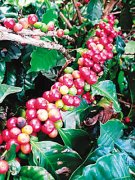
Robusta Coffee Bean Grown in Which Areas Are Grown in Robusta
Madagascar is basically a producer of Robaik coffee, but there are plans to increase the cultivation of Arabica coffee beans. Since 1989, the island's coffee industry has been privatized and deregulated, with total coffee production reaching around 1 million bags per year. Domestic consumption of coffee is high because Malagasy people like to drink coffee. The country's Robert

Nicaraguan coffee pointed bourbon natural semi-decaf coffee what is decaf coffee
Professional coffee knowledge exchange more coffee bean information please follow the coffee workshop (Wechat official account cafe_style) Nicaragua Mierisch El Minita Laurina Natural Nicaragua Mierui boast estate Minita sun sharp body wave next to natural semi-low caffeine coffee tip next to the natural very low caffeine, rare, meticulous and charming fragrance, for
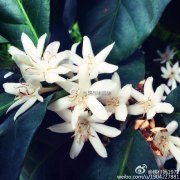
Robasta seed bean shape larger, obverse gradually round, convex abaxial, crack straight
Bean shape is larger, the front gradually round, the back was round convex, crack straight. Robasta coffee trees are native to Madagascar in central and western Africa and Indonesia in Asia, accounting for about 20% to 30% of the world's production. Robasta coffee tree is suitable for planting in lowlands below 500 meters above sea level, and is extremely adaptable to the environment, able to resist harsh weather and resist
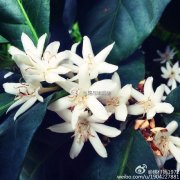
Rwandan premium coffee comes from washed Arabica beans with a unique and perfect wind
Madagascar is basically a producer of Robaik coffee, but there are plans to increase the cultivation of Arabica coffee beans. Since 1989, the island's coffee industry has been privatized and deregulated, with total coffee production reaching around 1 million bags per year. Domestic consumption of coffee is high because Malagasy people like to drink coffee. The country's Robert
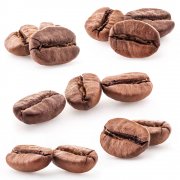
Output accounts for about 20% to 30% of the world's output. Robasta Coffee Tree Commercial Coffee
The bean shape of Robasta is larger, the front is gradually round, the back is round and convex, and the crack is straight. Robasta coffee trees are native to Madagascar in central and western Africa and Indonesia in Asia, and account for about 20% to 30% of the world's output. Robasta coffee tree is suitable for planting in the lowlands below 500 meters above sea level. It has strong adaptability to the environment and can resist bad conditions.
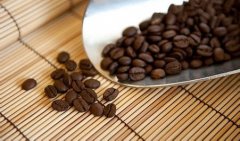
There are two main types of coffee that are most widely grown in the world today.
Today, there are two main types of coffee grown most widely in the world: Arabica beans (Coffee Arabica) and Robota beans (Coffee Robusta). Arabica Arabica Robusta Robusta is mainly produced in tropical Central and South America, accounting for 3/4 of the world's output. It is produced in Madagascar in central, western and eastern Africa, and Indonesia in Asia.

Robusta coffee beans commercial coffee beans
The bean shape is larger, the front is gradually round, the back is round and convex, and the crack is straight. Robasta coffee trees are native to Madagascar in central and western Africa and Indonesia in Asia, and account for about 20% to 30% of the world's output. Robasta coffee tree is suitable for planting in the lowlands below 500 meters above sea level. It has strong adaptability to the environment, can resist the harsh climate and resist.

Commercial beans Robusta coffee beans
The bean shape is larger, the front is gradually round, the back is round and convex, and the crack is straight. Robasta coffee trees are native to Madagascar in central and western Africa and Indonesia in Asia, and account for about 20% to 30% of the world's output. Robasta coffee tree is suitable for planting in the lowlands below 500 meters above sea level. It has strong adaptability to the environment, can resist the harsh climate and resist.

Which countries produce coffee?
1. Costa Rica Costa Rica 2. Cuba Cuba 3. Dominican Republic Dominican Republic 4. Ei Salvador El Salvador 5. Guadeloupe Guadeloupe 6. Guatemala Guatemala 7. Haiti Haiti 8. Honduras Honduras 9. Jamaica Jamaica 10. Martinique Martinique 11. Mexico Mosi

What are the main types of coffee trees? why should they be raised? How to grow coffee beans
The main types of coffee trees: Robasta bean shape is larger, the front is gradually round, the back is round and convex, the crack is straight. Robasta coffee trees are native to Madagascar in central and western Africa and Indonesia in Asia, and account for about 20% to 30% of the world's output. Robasta coffee tree is suitable for planting in the lowlands below 500 meters above sea level and its adaptability to the environment.
International Coffee Organization
International Coffee Organization during the 19th century, coffee became an important international trade because of the large number of demand. It makes most countries earn foreign exchange from coffee export trade as a source of money income for farmers and is an important trade in most countries. Because the split led to changes in prices and product standards, it ended at a conference in New York in 1962.
Name of the producing country of the International Coffee Organization
International Coffee Organization during the 19th century, coffee became an important international trade because of the large number of demand. It makes most countries earn foreign exchange from coffee export trade as a source of money income for farmers and is an important trade in most countries. Because the split led to changes in prices and product standards, it ended at a conference in New York in 1962.

Variety types of coffee trees
BORBON originated from La Reunion, a small island near Europe-Mozambique. It is adjacent to Madagascar, commonly known as Spice Island. Because BORBON tree is sensitive to insects and bacteria, it is a vulnerable tree species, but its yield is high, so it needs special care. It is more suitable for planting in high latitude mountain areas, but it is more difficult to resist diseases when planting in low land.

What are the varieties of coffee trees in China?
What are the varieties of coffee trees in China? Robasta coffee trees are native to Madagascar in central and western Africa and Indonesia in Asia, accounting for about 20% to 30% of the world's output. Robasta coffee tree is suitable for planting in the lowlands below 500 meters above sea level, has strong adaptability to the environment, can resist bad climate, resist the invasion of diseases and insect pests, and is suitable for soil preparation and removal.

General knowledge of Coffee introduced by producing countries of International Coffee Organization
International Coffee Organization during the 19th century, coffee became an important international trade because of the large number of demand. It makes most countries earn foreign exchange from coffee export trade as a source of money income for farmers and is an important trade in most countries. Because the split led to changes in prices and product standards, it ended at a conference in New York in 1962.

Nicaraguan coffee beans Caturra cocoa fruit how to drink _ La Laguna Bay Manor Coffee introduction
Professional coffee knowledge exchange more coffee bean information please follow the coffee workshop (Wechat official account cafe_style) [Nicaraguan coffee beans recommended: Caturra. Cocoa] Manor: La Laguna. Water Bay Manor Variety: Caturra. Cocoa production area: Matagalpa (Madagascar) Grade: Strictly High Grown (S.H.G. EP) strictly chooses high altitude.